
IPL
teams, fashion labels, D2C brands, and FMCG majors rush to clear music rights
as the season begins ; Driven by better ROI on licensed music and tighter
enforcement from labels
The
IPL season has begun and with it, a question making its way through the legal
and marketing departments of some of India’s biggest brands: is our music
licensed? For Chennai Super Kings, one of the tournament’s most commercially
active franchises, the cost of not asking that question arrived in the form of
a legal notice from Sun TV, triggered by the unauthorised use of music from the
Rajinikanth films Jailer, Jailer 2, and Coolie in their
IPL 2026 jersey launch promo video.
Sun
TV moved the Madras High Court, seeking ₹1 crore in damages and disclosure of
revenues generated from the campaign. CSK, for its part, removed the content
and gave the court an undertaking that it would not use such music without
obtaining a proper licence in the future. One promo video. One jersey launch.
One courtroom reckoning and a signal sent across the industry that resonated
far beyond the franchise itself.
If
it can happen to CSK, a franchise with an entire commercial and legal
infrastructure behind it, it can happen to any brand. That is the calculation
marketing teams across fashion, D2C, FMCG, and e-commerce are now making as IPL
campaigns go live. Music licensing, long buried at the bottom of a production
checklist, has moved sharply up the agenda.
“If
CSK can receive a legal notice for a single song during IPL, no brand running a
campaign this season is immune. Music licensing is no longer optional.” –
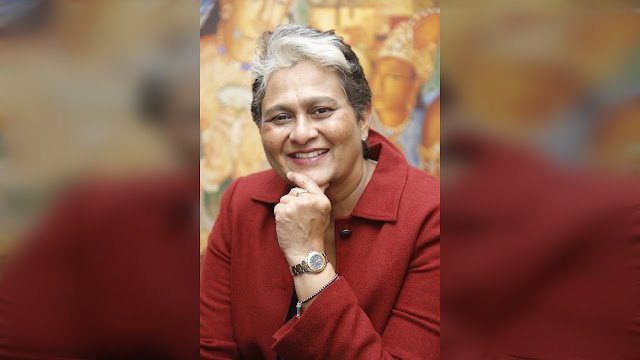
Gaurav Dagaonkar, CEO and co-founder of Hoopr
The
pattern extends well beyond cricket. In early 2025, Sony Music Entertainment
filed a petition in the Bombay High Court against Myntra, alleging that the
fashion e-commerce platform had been illegally using and exploiting Sony’s
sound recordings and synchronising copyrighted tracks with videos for the
purposes of advertising products, promoting its brand, and for its own
commercial benefit, on both its app and website. Sony cited over 21 songs used
without a licence and sought ₹5 crore in damages claiming that despite a
cease-and-desist notice, Myntra had continued using the content.
Industry
insiders say hundreds of such legal notices, from labels large and small are
issued every year, almost always settled quietly. Brands pay up, sign a
licensing agreement, and move on without public acknowledgement. The cases that
do surface do so precisely because the parties are high-profile enough that the
dispute cannot be contained.
Labels
have significantly upgraded their enforcement capabilities. Major music
companies and increasingly indie labels too now deploy content identification
systems that scan social platforms in real time, detecting unlicensed use
within hours of a post going live, regardless of whether audio has been
speed-shifted, pitch-changed, or layered with voiceover. During IPL season,
when brands post at high frequency across Instagram, YouTube, and Meta, the
exposure from a single unlicensed track can cascade across hundreds of pieces
of content simultaneously.
The
compliance story, compelling as it is, tells only half the picture. Brands
using popular licensed songs in their reels are seeing 60 to 70 per cent higher
engagement compared to content using generic or royalty-free tracks, a
difference showing up directly in campaign ROI.
“The
question brands used to ask was ‘do we need to license this?'” says
Gaurav. “Today the question is ‘how quickly can we get this cleared?’ The
ROI argument has done what the legal argument alone never could.”
Hoopr,
India’s B2B music licensing platform, says it has signed agreements with four
to five IPL franchises for the 2026 season, covering walk-out anthems, stadium
activations, and digital campaign content. Its enterprise client base spans
fashion, D2C, e-commerce, and FMCG with Libas, Myntra, and Frido among the
180-plus brands now on annual licensing agreements. The platform has seen
inbound brand queries triple since February.
What
is notable about the current wave of activity is the breadth of music being
sought. Bollywood remains the dominant request, but brands are increasingly
chasing pop and indie artists including Aditya Rikhari, Badshah, Karan Aujla,
and AP Dhillon are among the most searched names on the Hoopr platform. The
Punjabi pop crossover in particular has become a reliable engagement driver for
fashion and lifestyle brands targeting younger, digitally-native audiences.
The
demand extends well beyond Hindi music. Regional and national brands targeting
regional audiences are actively seeking licences from labels like Merchant
Records and Madhura Audio, the Telugu music label whose catalog has become s ought-after for campaigns in Andhra Pradesh
and Telangana. International English music is also seeing a surge in interest,
driven by D2C and e-commerce brands skewing toward globally-influenced
consumers.
“We
are seeing brands think about music the way they think about influencer
selection,” says Dagaonkar. “They are asking which artist connects
with which audience, which sound drives purchase intent in which category. That
sophistication simply did not exist three years ago.”
Hoopr’s
enterprise licensing model gives brands pre-cleared access to music from UMG,
YRF, IPRS, Merchant Records, Madhura Audio, and international labels. Pricing
starts at ₹6 lakh for smaller brand packages and scales to ₹75 lakh and above
for large enterprises. As the IPL season moves into full swing, brands that
have not yet resolved their music licensing position are finding that the CSK
case was not an anomaly, it was a warning.
“Music
is no longer a creative afterthought. It is a performance variable and now, a
legal one too. Brands that understand both are seeing it in their
numbers.” — Gaurav Dagaonkar, CEO and co-founder, Hoopr